
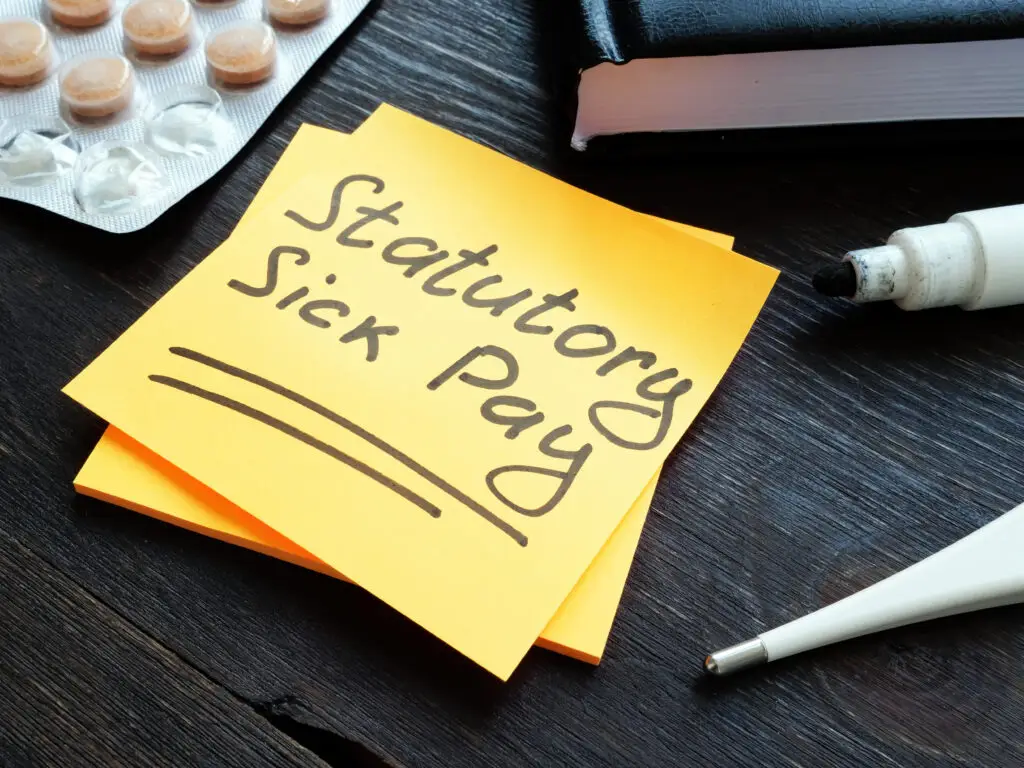
The Department for Business and Trade (DBT) recently confirmed that reforms to Statutory Sick Pay (SSP) will come into force from April 2026.
Although SSP is set and regulated by the Government, it is the responsibility of employers to ensure that qualifying employees are paid correctly and on time. Employers must also maintain accurate records of absences and payments and ensure payroll systems are updated to reflect the new rules.
This month’s Three Counties Payroll blog has all the key facts you need to know.
The reforms are:
- Day one entitlement: SSP will become payable from the first day of sickness absence, rather than the current system where payment begins after day three.
- Removal of the lower earnings limit: The current earnings threshold of £125 per week will be abolished, meaning employees will no longer need to meet a minimum income level to qualify for SSP.
While the flat rate calculation we know so well will still apply, it will be determined differently for employees earning below the current lower earnings limit. These employees will receive the lower of either 80% of their normal weekly earnings or the Government-set flat rate.
These changes will also help create a fairer workplace for the following reasons:
Improved business planning: While the changes may mean employers face higher costs, employers will benefit from a more consistent approach to absence management especially in supporting disabled employees or those with fluctuating health.
Promoting mental health and wellbeing: Removing waiting days and offering earnings-based pay reduces the financial strain of illness.
Better support for health conditions and neurodiversity: Employees who are living with chronic conditions or who are neurodivergent may need more frequent or unpredictable sick leave. By scrapping the earnings limit, the system becomes more accessible.
SSP is treated like regular earnings for tax purposes, meaning income tax and National Insurance contributions are deducted from SSP payments. Employers should ensure appropriate processing is made through payroll systems from the date of changes coming into effect.
Employers need to start planning for these changes. The main considerations include:
- Updating employment contracts and sickness policies to reflect the upcoming changes even where you operate an enhanced sickness scheme.
- Training HR and payroll teams to manage new compliance requirements effectively.
- Reviewing payroll systems to ensure readiness for day-one SSP processing and removal of the earnings threshold.
- Budgeting for increased SSP liabilities, particularly for businesses with a high incidence of short-term sickness absence, as SSP cannot be recovered from the Government.
If you have any queries or concerns about the impending changes, contact the friendly and knowledgeable team at Three Counties Payroll on 01905 622245.